Securing a professional pest control service in San Diego stops active biological intrusions before wood-destroying insects or vectors compromise living quarters and structural footings. Coastal microclimates and canyon terrain create chronic migration corridors for subterranean termites, roof rats, and invasive trail ants between Mission Bay and inland mesas.
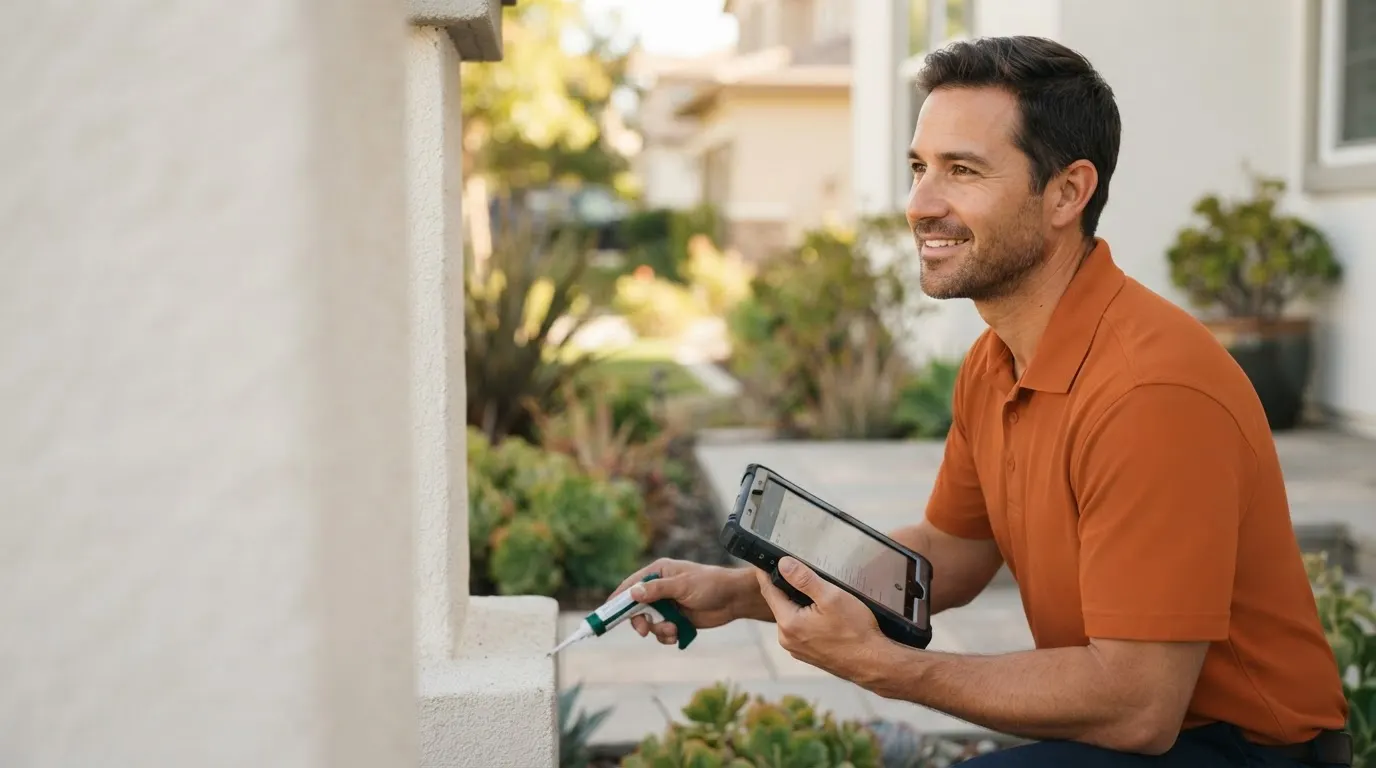
Pest control service in San Diego is a specialized structural management discipline that locates biological entry pathways, eliminates active wood-destroying or food-contaminating organisms, and seals building envelopes across coastal and canyon properties.
Every service reflects the same meticulous attention to detail, whether it's a single job or a larger pest control service project across San Diego.
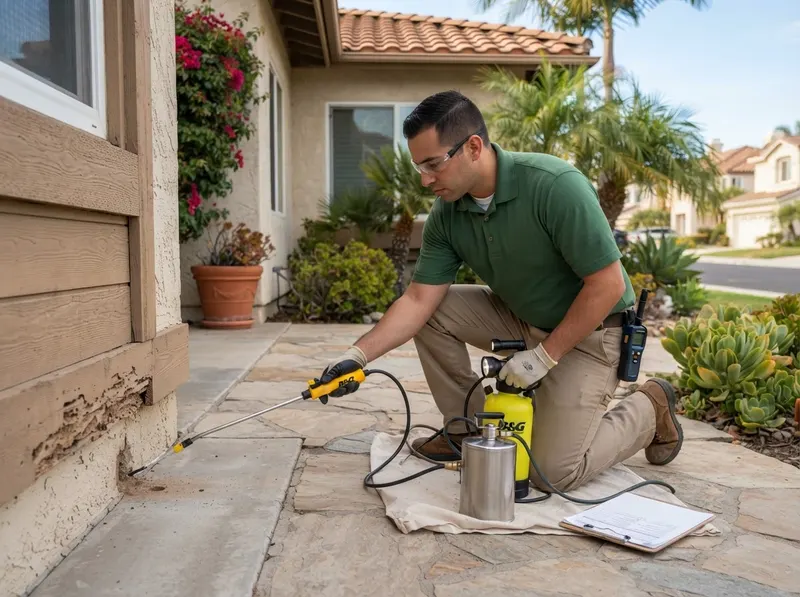
Detailed visual, thermal, and acoustic inspections systematically detect drywood and subterranean termite activity inside structural framing, exposed window bucks, subfloor floor joists, and attic truss assemblies. Technicians apply targeted disodium octaborate tetrahydrate formulations and localized low-toxicity injectables directly into identified kick-out galleries and active timber chambers. This precision engineering terminates established colonies at the biological point of impact without requiring toxic whole-home fumigation tents, off-site family relocation, structural bag-outs, or hazardous chemical degassing periods.
Get a quote →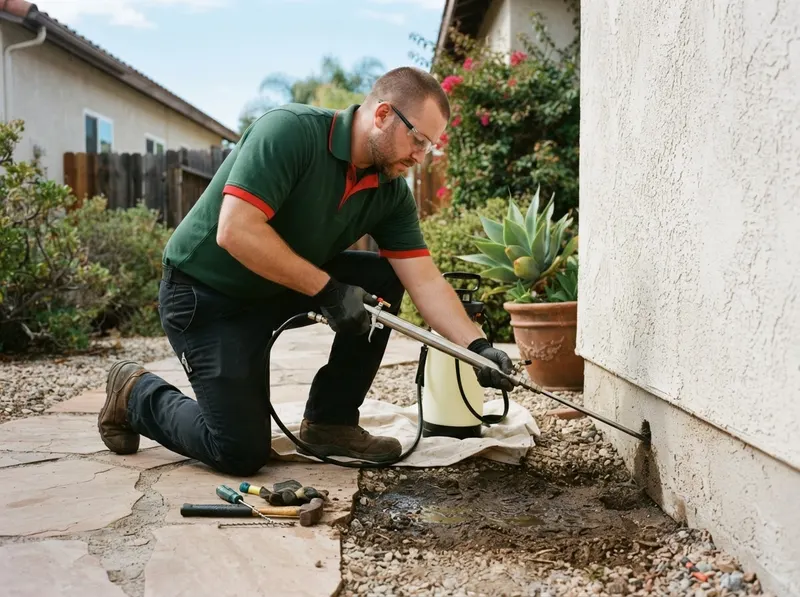
Subterranean termites originate deep within Southern California soils, requiring specialized trenching and rod injection protocols along continuous foundation footprints. Technicians construct continuous liquid barrier envelopes using non-repellent termiticides along exterior stem walls, footings, and structural expansion joints. Foraging workers unknowingly contact and distribute the active non-repellent material throughout the entire subterranean nesting complex via social grooming, neutralizing the colony queen and halting upward soil-to-wood migration before framing timbers lose structural integrity.
Get a quote →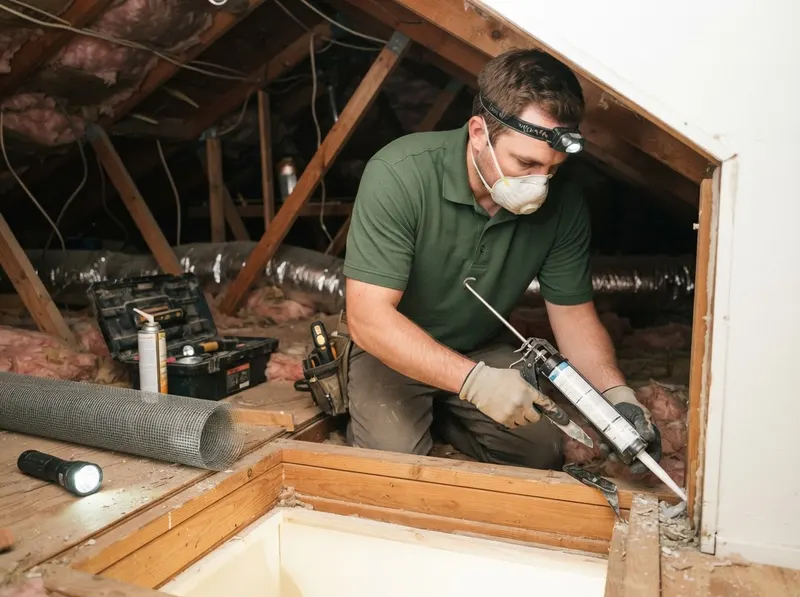
Complete biological defense against roof rats, Norway rats, and house mice begins with mechanical sealing of exterior roof transitions, open eaves, crawl space access vents, and utility pipe penetrations using heavy-gauge 1/4-inch galvanized hardware cloth, copper wire mesh, and elastomeric sealants. Internal populations are systematically eliminated using non-chemical mechanical capture methods, followed by full HEPA attic vacuuming, compromised thermal insulation extraction, and broad-spectrum enzymatic neutralization to eliminate pheromone trails and pathogen vectors.
Get a quote →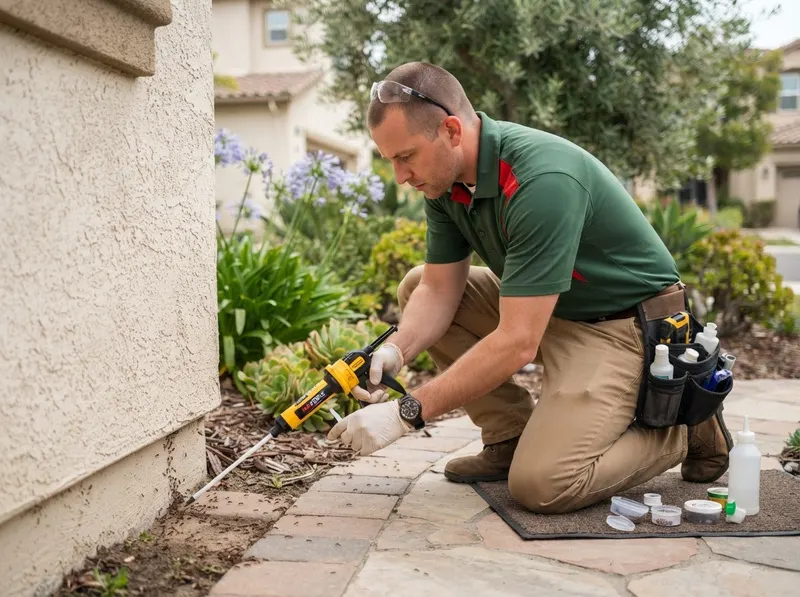
Invasive Argentine ants dominate Southern California clay soils and establish massive interconnected super-colonies that aggressively breach domestic plumbing penetrations during extreme summer heat spells and winter rains. Strategic non-repellent liquid transfer agents and perimeter micro-granules intercept foraging trails directly at exterior foundation weeps. Foraging worker ants carry the undetectable active agents back into subterranean satellite nests, systematically transferring the treatment to hidden reproductive queens for permanent multi-queen colony shutdown.
Get a quote →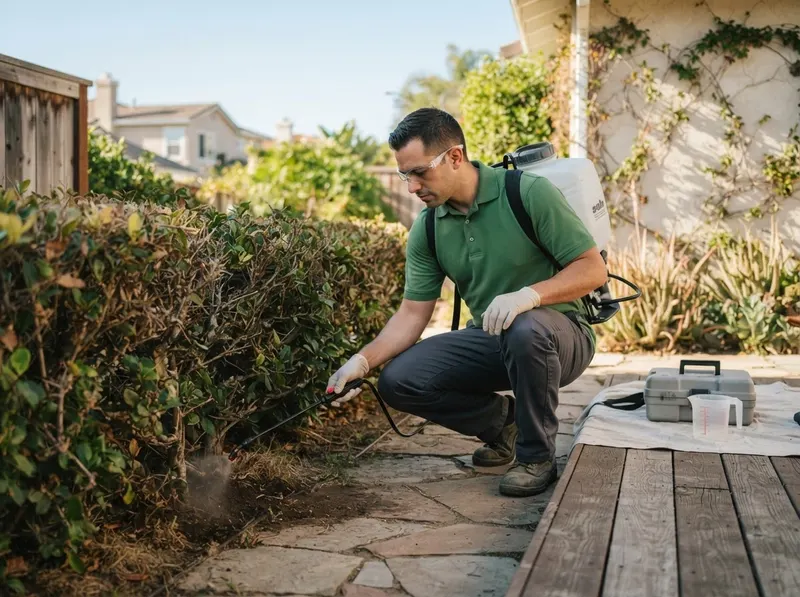
Targeted indoor and perimeter treatments eliminate parasitic cat fleas, dog ticks, and Western black-legged tick reservoirs harbored within low ground cover, coastal sandy soils, shaded turf grass, and interior carpet underlayments. Treatments combine natural botanical microencapsulations with target-specific insect growth regulators (IGRs) that permanently arrest biological metamorphosis, preventing larvae from pupating into reproductive adults and safeguarding living areas and domestic pets from vector-borne pathogens.
Get a quote →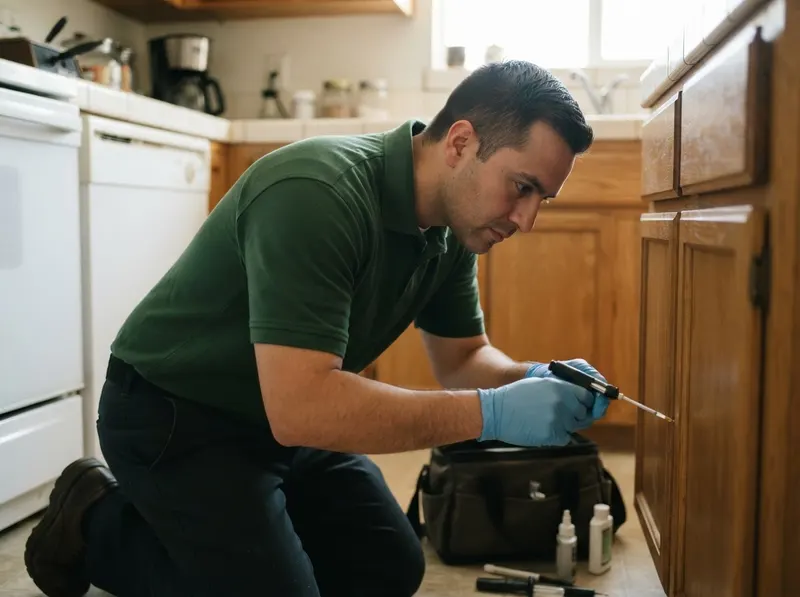
Systematic flushing, mechanical micro-baiting, and insect growth regulator placements eliminate stubborn German and Oriental cockroach populations nested within damp subfloors, commercial kitchen pipe chases, bathroom vanity voids, and water heater closets. Precision gel matrices containing high-palatability feeding attractants adhere to tight dark voids, exploiting natural scavenging behaviors to trigger secondary mortality throughout deep harborage nests without releasing airborne chemical vapors.
Get a quote →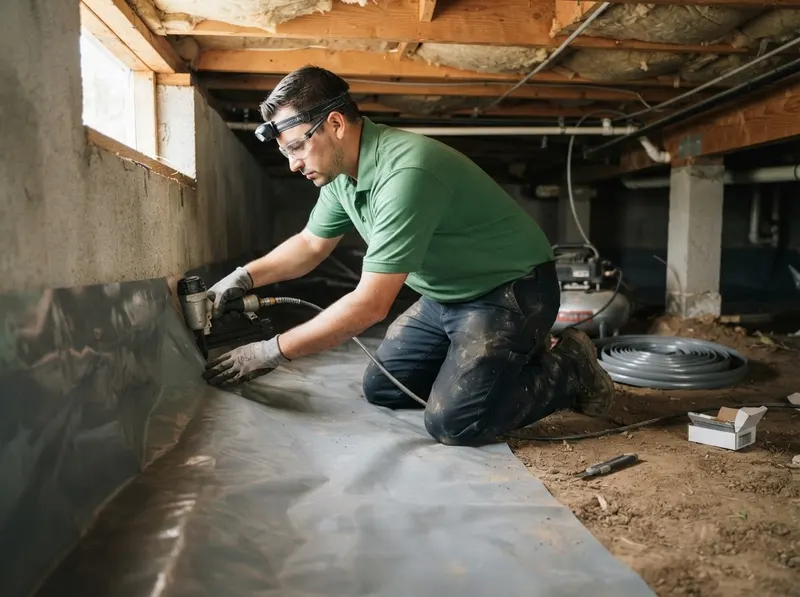
Damp earth floors beneath coastal raised foundations continuously attract subterranean termites, wood-boring beetles, moisture gnats, and silverfish. Encapsulating raw foundation soils with puncture-resistant 10-mil to 12-mil polyethylene vapor barriers, paired with custom-fitted non-corrosive weep-hole wire screenings, prevents upward subterranean moisture vapor migration. This environmental moisture stabilization curtails structural mold formation, curbs timber decay, and bars physical pest ingress into overlying floorboards.
Get a quote →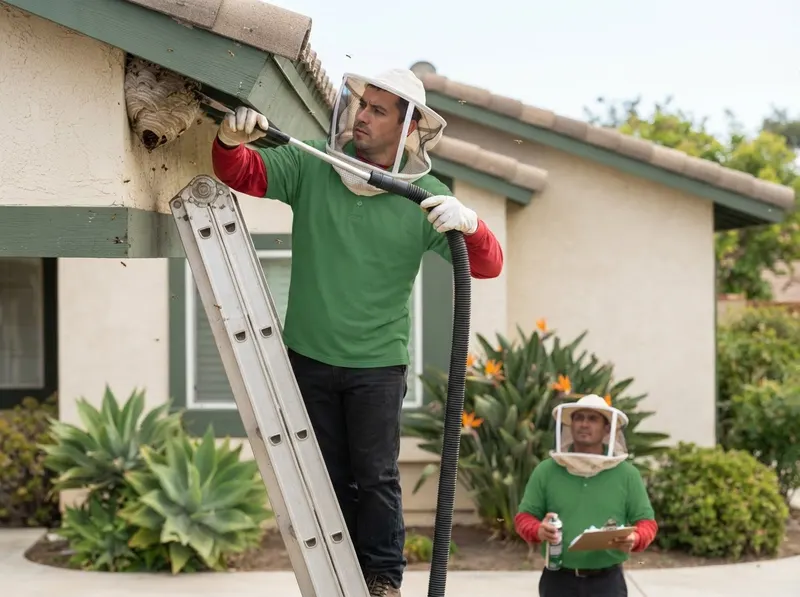
Protective structural removal of aggressive yellowjacket subterranean burrows, aerial paper wasp combs, and feral honeybee swarms established within structural exterior eaves, deck joists, rafter tails, and stucco weep gaps. Technicians physically remove combustible paper nest matrices, extract defensive broods, and neutralize localized aggregation pheromones with botanical contact agents, permanently sealing secondary access voids to prevent seasonal recolonization along structural overhangs.
Get a quote →You get a firm, itemized quote for your pest control service before any work begins, no surprises, no pressure.
Careful prep, tidy work, and a full cleanup when we are done. We treat your home and belongings like our own.
The same trusted, background-checked team from the first call to the final check.
Selecting a management protocol depends on the biology of the pest, property construction, and the level of structural vulnerability. If an infestation involves drywood termites isolated to exposed structural framing, rafter tails, or fascia boards, localized non-tenting thermal or direct liquid borate injections fit the structure best; if subterranean termites are ascending through slab cracks or foundation expansion joints, perimeter non-repellent soil barriers or direct foundation monitoring arrays fit the site. The trade-off centers on upfront mechanical disruption versus treatment scope: non-tenting localized treatments preserve complete home access with zero move-out time, whereas widespread structural compromises throughout enclosed wall cavities occasionally require whole-structure intervention.
For rodent activity, if roof rats are active inside attics or soffits, mechanical exclusion paired with closed-door spring trapping fits best; if exterior perimeter pressure is the primary threat from surrounding brush canyons, permanent foundation mesh sealing and one-way exterior exit funnels provide long-term prevention. The trade-off is mechanical effort: physical exclusion demands meticulous, hands-on sealing of every 1/4-inch void across rooflines and weep screeds rather than relying on exterior rodenticide bait boxes, eliminating secondary poisoning risks to predatory hawks and household pets. For general crawling insect defense, choosing targeted botanically derived perimeter microencapsulations provides quarterly structural stability against invasive Argentine trail ants without depositing synthetic pyrethroid residues along perimeter soils.
For subterranean wood preservation in high-moisture subterranean substructures, installing crawl space ground vapor barriers alongside passive mechanical weep-hole screening stops damp-wood decay and insect harborage before organisms compromise subfloor framing.
Every project gets a firm, written price after a free on-site visit. Ranges below for orientation.
Tell us about your pest control service job and we'll send a clear, written quote, usually the same day. Or just call and talk to a real San Diego pro.
(858) 384-3003
San Diego County encompasses over 200 distinct canyon networks and coastal marine corridors that create perennial biological highways for native wildlife and invasive insect colonies. Properties bordering Torrey Pines State Natural Reserve, Balboa Park, and Mission Bay Park face sustained biological exposure from dense native chaparral and canyon brush. During the humid marine layer patterns of May through July, structural framing and fascia boards along coastal communities like Point Loma, Ocean Beach, and La Jolla absorb ambient atmospheric moisture. This constant coastal dampness softens architectural softwoods and accelerates drywood termite gallery development. As the seasons shift into late summer and autumn, intense Santa Ana wind events blow hot, dry desert air over the inland mesas of Clairemont, Scripps Ranch, and Carmel Valley. These dry conditions rapidly desiccate the topsoil, forcing subterranean Argentine ant super-colonies and canyon-dwelling roof rats to migrate directly into residential building envelopes through foundation slab expansions, roof eave gaps, and stucco weep screeds. Furthermore, structural foundations built upon the expansive adobe clay characteristic of inland San Diego expand and contract dramatically between winter rainfall cycles and prolonged drought. This soil movement causes recurrent hairline settlement cracks throughout concrete slab floors, providing subterranean termites direct subterranean entry into interior wall studs. Managing residential structural boundaries in this environment requires non-corrosive stainless steel mechanical screens, crawl space ground vapor stabilization, and targeted botanical perimeter treatments that resist ocean salt air and thermal degradation without polluting sensitive coastal watersheds.
Free estimates for San Diego & the surrounding area.
 ClearNest Pest Control